
Post-Luxury status symbols #6: Quality Sleep
Status comes for the unconscious world, and final thoughts on the series

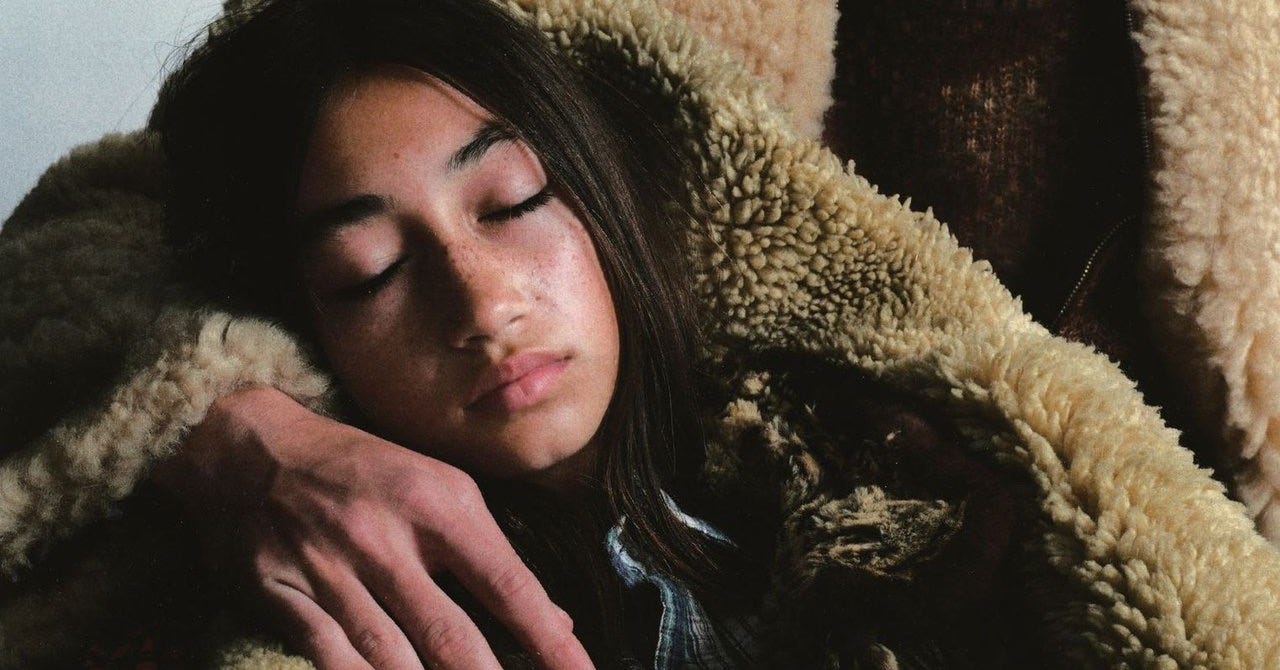
After thirty years together, sleeping is the new having sex. “That was amazing, wasn’t it!” one or the other of us will say upon waking in the morning. How did we become these people? I wonder. — David Sedaris, Pearls
Welcome to the finale of the post-luxury status symbols series.
The ability to consistently get 8 hours of great sleep has become a status symbol. Yes, really.
What makes this one even more tiresome than the rest is that it’s not just something being performed - it’s being gamified. We’ve quantified the last refuge from productivity. The last refuge from productivity, literal unconsciousness, is now another metric to optimise. How did we get here?
The Great Inversion
For decades, sleeping little was the status symbol, the inevitable consequence of a society in which being busy equates to being desired. For some, it still is: Japanese PM Takaichi claims she only needs two hours a night. Thatcher famously needed four; it seems shrinkflation has hit us everywhere.
But something seems to have shifted. Now the flex is the opposite: getting your full eight hours, being consistently well-rested.
What changed?
Well, arguably we’ve collectively burned out. The grind economy promised that if we just optimised harder through 5am wake-ups, biohacking, side hustles, we’d achieve the prosperity our parents stumbled into. Instead, we’re more exhausted than ever. In that context, demonstrating you’re not exhausted becomes the ultimate flex.
But, if you’ve observed one through line with this series - once a behaviour becomes aspirational, it becomes ripe for optimisation.
The Sleep Capture Game
The philosopher C. Thi Nguyen has created much thoughtful work around the dangers of gamification. When we quantify anything, we run the risk of losing interest in the underlying value in favour of the metric. The game captures our values by offering us a simpler, more measurable target.
Fitbit originally mastered this impulse - health took a backseat to hitting 10k steps. The number became the goal.
And so too now, do we find this in the field of sleep tracking.
Oura Rings or Eight Sleep mattresses promise to optimise your rest by tracking your REM cycles, deep sleep percentages, heart rate variability, body temperature fluctuations. They capture you immediately through real data and actionable insights.
You wake up and check your ring. 82 sleep score. Not great. Deep sleep was only 18%. You feel fine, but the device says you’re not recovering properly.
It’s a natural escalation here into further spending: cooler room, magnesium supplements, mouth tape to ensure nasal breathing (the sleep aids market is predicted to hit up to USD 160 billion by 2034).
This is the ultimate irony of the sleep optimisation industry: in trying to improve rest, it’s made rest impossible. Once again, quantification has corrupted the underlying value, and we find another domain in which the individual must perform for their digital god.
The Sleep Hierarchy
In fact, from this we can map a clear hierarchy of sleep privilege:
1: Sleep Poverty
Working multiple jobs. Noisy housing. No control over schedule. Caregiving responsibilities that fragment sleep. Economic precarity that makes rest impossible. This is the majority.
2. Sleep Maintenance
Average people trying to get by with basic sleep hygiene. A regular-ish bedtime, eye masks, white noise machines.
3. Sleep Optimisation
Tracking devices. Expensive mattresses. Climate-controlled bedrooms. Supplements. Sleep coaches. Blue-light-blocking glasses. The full apparatus of the wellness industry deployed to perfect rest.
4. Sleep Luxury
Being so secure you don’t need to optimise at all. Sleeping without tracking. Waking without alarms. Never checking your sleep score because your life is structured such that rest happens naturally.
What emerges is the same trend across all post-luxury status symbols: modern society stripping away what used to be natural phenomena, brands rush in to sell solutions - often worsening the problem by creating entirely new anxieties around optimisation. Finally, status is formed through the ability to go post-optimisation.
Monetising Unconsciousness
There are many examples of the perverse manners in which sleep is monetised across our society.
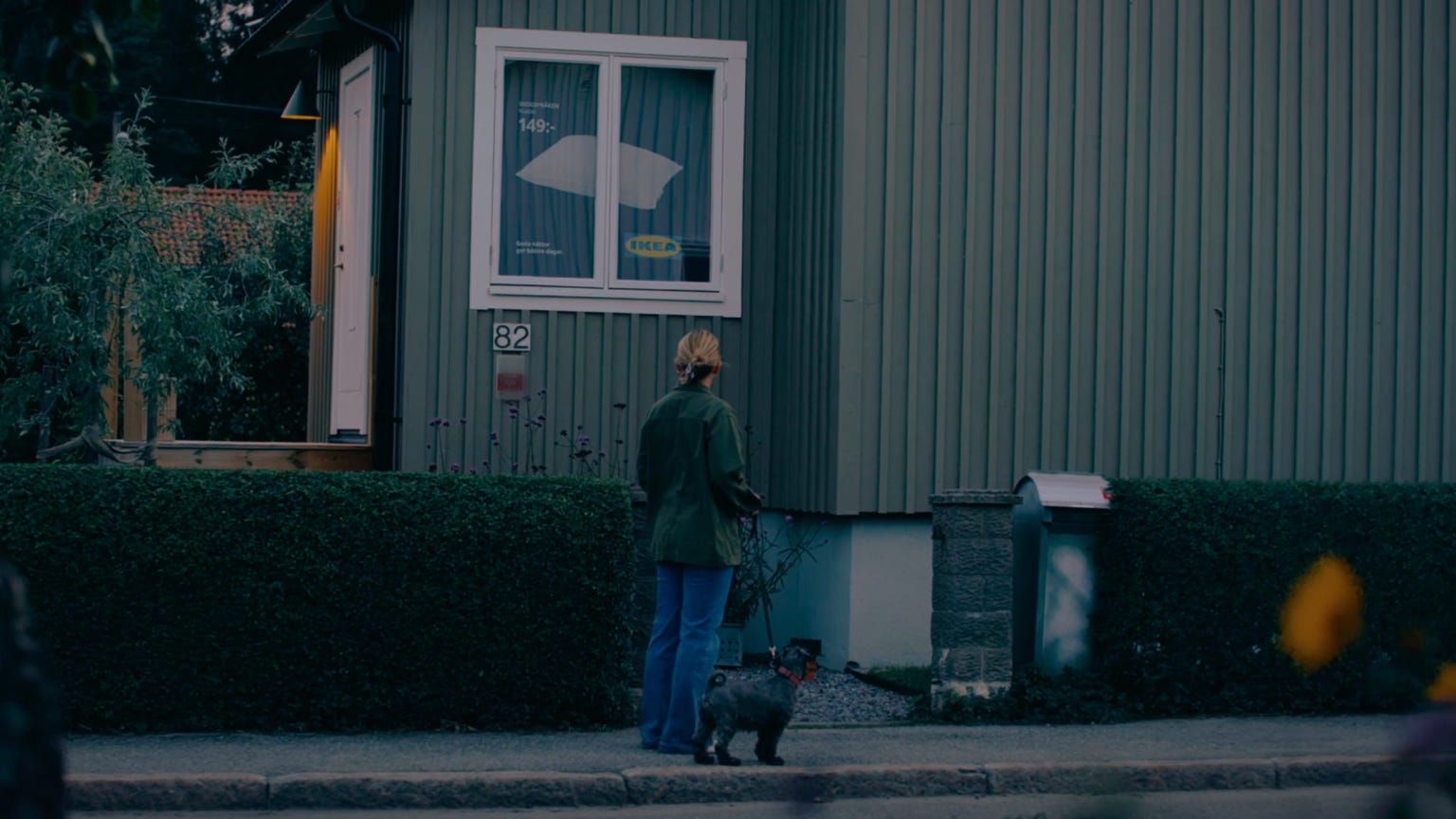
IKEA’s Sleepfluencers campaign gave away blackout blinds if bedrooms functioned as free advertising for their products. It won awards at major festivals. But what they gained was advertising space inside your most private window. How much can the desire to be in the dark, in your room, be monetised?
This logic is reinforced by the normalisation of influencers like Jacky Boehm, who emerged during the boom of streamers monetising sleep, encouraging audiences to send gifts to wake him up. Sleep-as-content, productive unconsciousness.
Baudrillard considered the body to be capitalism’s last great object - for once it is optimised, aestheticised, and managed, nothing remains outside the system. This is where we seem to find ourselves, even in our sleep - generating data, hosting advertisements, producing value.
The great irony here is that in reclaiming sleep as a status symbol, a form of resistance to grind culture, we have simply created a new game to flail around in, a new way to fail at being human.
We can’t gamify our way to genuine rest. We can’t optimise our way to unconsciousness. Yet structural conditions make untracked, unpressured sleep inaccessible to most people.
The single mother working multiple jobs doesn’t need an Oura Ring. She needs affordable housing, a living wage, employers who respect that humans require rest. Sleep should be considered a fundamental right, not a personal responsibility. But that would require admitting the problem is structural, not individual. Structural problems, of course, require collective solutions that threaten the very hierarchies that status depends upon.
Reminder: if you’d like to continue the conversation on this article, head to the subscriber chat for an accompanying reading list and discussion questions
Final notes on the post-luxury series
If you’ve inferred a slightly dystopian tone through this series, you would be correct. But I suspect the reason these pieces have performed so well is because they speak to a shame we all feel but struggle to articulate: we’re trapped in a game we can’t afford to stop playing.
I know my audience. I’ve met many of you, real or online, and one common trait runs through: you’re thoughtful, and you’re conflicted. We desire the world to be better, and yet we are deeply interested in notions of status, or success, and how it can be accrued.
Once, this may have been vanity. Now, it’s survival instinct in an economy where status directly correlates with security. When basic needs like rest, privacy, time, and community become luxuries, understanding how status operates becomes a matter of strategy.
At the end of the day, there is no app or amount of money that can truly help us cut ourselves some slack. The only way to genuinely rest would be to stop tracking, stop optimising, stop performing.
But perhaps this acute awareness of being caught in a Chinese finger trap is itself the first step toward something different. The post-luxury status symbols I’ve outlined across this series - connected privacy, wasteful time, having children, niche expertise, creating community, quality sleep - all point to the same underlying desire: to reclaim what has been stolen and repackaged as luxury. The basics of human existence.
What gives me hope (alongside meeting all of you) is that we’re getting better at seeing the game for what it is. There is increasingly a collective literacy around how status operates, how gamification corrupts values, how optimisation and performativity become their own traps.
The work ahead is collective. It’s organising for structural change: housing as a right, living wages, work-life boundaries enforced by law not personal discipline, sleep protected as essential to human dignity.
And in the meantime, we can be honest about the game we’re in. We can help each other navigate it without pretending it’s natural or inevitable. We can name the contradictions and live in them consciously rather than being consumed by them unknowingly.
That’s not a solution. But it’s better than a fucking Oura ring.
Eugene
epilogue hitting crazy 🙏🏾💯
This whole series is was waiting for you to say the thing. And you said it here ! Bravo 👏 👏 👏 👏